
Guest Reviewer Daniel Szesiong Todd

What happens when you combine a solo violin with the physical prowess of an acrobat? Australian composer Chloé Charody and violinist-acrobat Sonja Schebeck have been exploring this combination for years, and their latest collaboration – LIMBO: Sonata for acrobatic violin – is a breathtaking success!
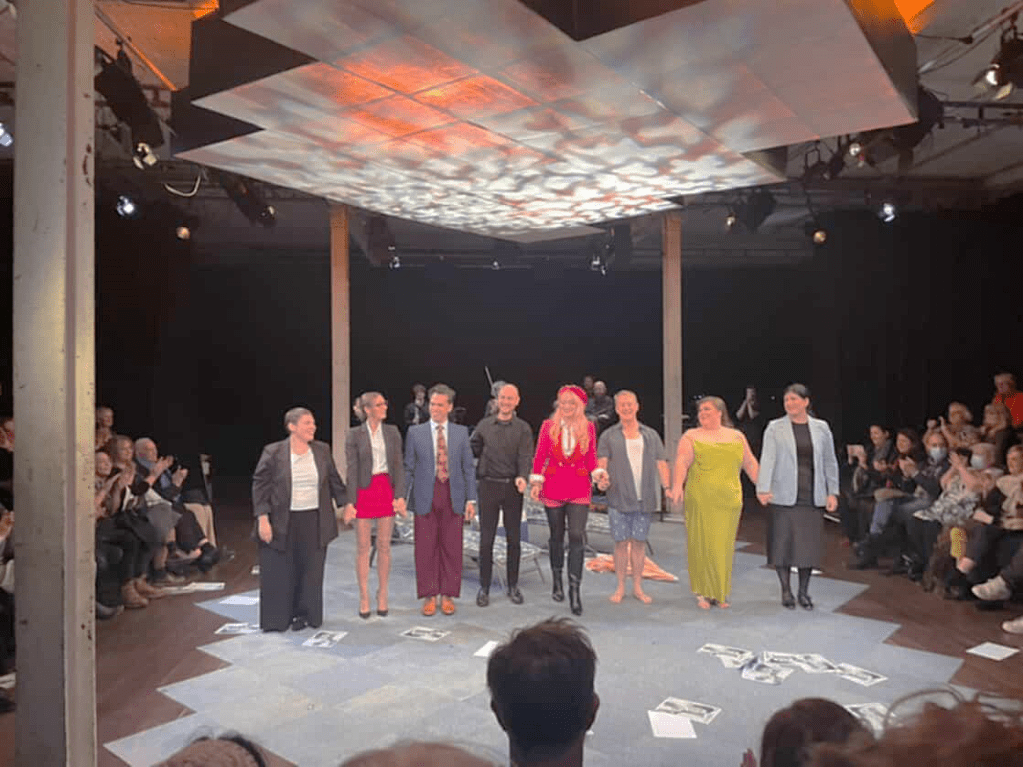
Charody has teamed up with Nightingale Performing Arts to present Stories That Must Be Heard at Melbourne Recital Centre’s Salon. For Charody, this isn’t merely a concert. It is “a form of artistic resistance – a way of giving voice to the voiceless.” The featured works are Charody’s response to the Australian Government’s long-standing policy of indefinite detention for stateless asylum seekers, which led to decades of untold suffering in Australian detention centres.
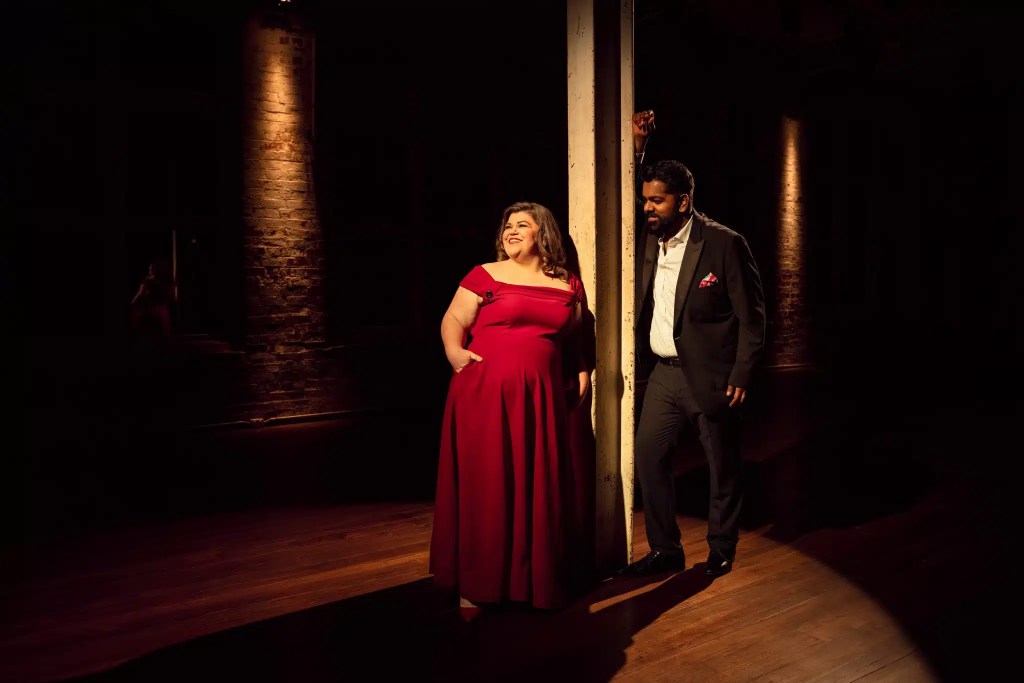
The concert began with Truth in the Cage: song cycle for soprano – performed by Livia Brash and pianist Jerry Wong. It is a setting of seven harrowing poems by Iranian refugee Mohammad Ali Maleki, who was imprisoned on Manus Island for seven years. Brash performed the English translations of Maleki’s poems from memory, enabling full dramatic commitment, and crafting her richly dark soprano voice to superb effect, while Wong wrung a broad palette of colours from the piano, highlighting the peculiar sweetness of Charody’s harmonic language against the rawness of Maleki’s poetry.


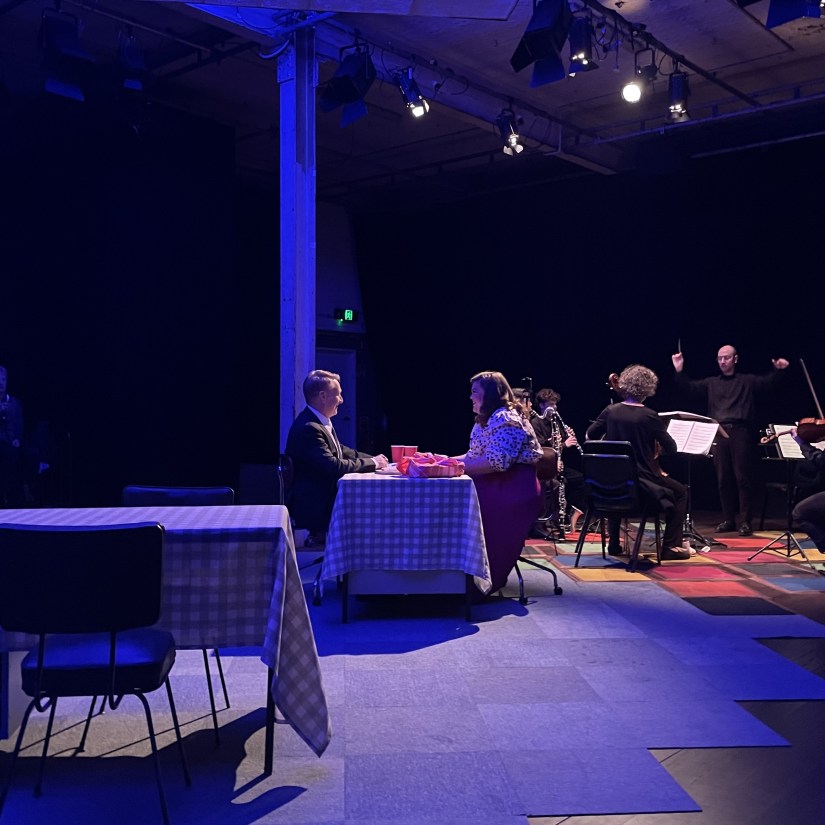
But it was LIMBO that blew the audience away. This is no ordinary violin sonata. The work explores the inner plight of a refugee named Amin (portrayed by Schebeck), who is trapped for nine years in the terrible limbo of immigration detention. She is supported by pianist Allie Wong, and fellow acrobat Josh Frazer, who embodies the external forces acting on Amin – ranging from absurd and harmful bureaucracy, to tender hope and longing.
The result is astonishing. Across seven movements, Schebeck combines violin virtuosity with extreme physicality, as she and Frazer engage in a wild and beautiful pas de deux. Schebeck is lifted, spun, thrown to the ground, and at one point, lifted by her upper teeth – all the while playing Charody’s stirring score with impressive musical vigour and nuance. At such close quarters, the performance feels viscerally dangerous, eliciting gasps from the audience. Yet this wasn’t mere circus novelty. Every movement served the emotional inflections of Charody’s music, enhancing the score with each awe-inspiring act.
Stories That Must Be Heard is a sublime and moving admixture of circus and art music that invigorates both art forms. Furthermore, it powerfully amplifies the voices of refugees, who have been deeply wronged by successive Australian governments. This is Charody’s artistic resistance.


 Fever Pitch Magazine